
Types of Radiators and Their Differences | 2026
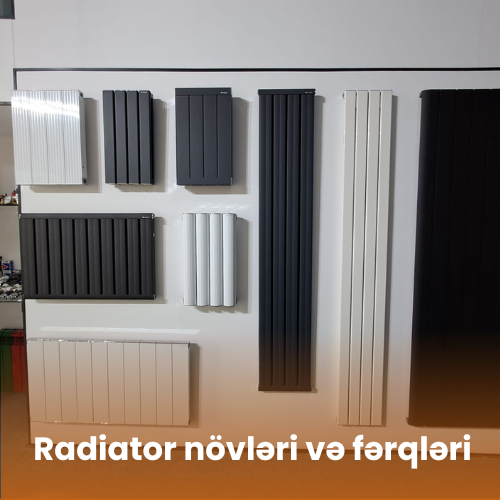
What Is a Radiator and Why Is It Used?
When we hear the word radiator, most of us imagine something that keeps our homes warm during cold winter days. But a radiator is more than just a metal object that heats up. Think of it as the heart of a heating system. Just like the heart pumps blood throughout the body, a radiator distributes heat evenly across your living space.
Main Function of a Radiator
The primary role of a radiator is to transfer heat from the heating medium—usually hot water—into the surrounding air. Hot water flows from the boiler into the radiator, the radiator warms up, and the room temperature rises. Simple process, big impact.
The Role of Radiators in Heating Systems
Even the most powerful boiler won’t be effective if the radiator is chosen incorrectly. It’s like owning a fast car but driving it on worn-out tires—you won’t get the performance you expect.
Why Is Choosing the Right Radiator Important?
You might think, “A radiator is just a radiator, right?” Not exactly. The right choice affects both your comfort and your monthly energy bills.
Energy Efficiency
A well-chosen radiator delivers more heat while consuming less energy. Over time, this can significantly reduce gas or electricity costs.
Comfort and Design
Radiators are no longer just technical equipment. Today, they are part of interior design. No one wants a bulky, outdated radiator ruining a modern living space.
Main Types of Radiators
Let’s break down the most common radiator types and see how they differ.
Cast Iron Radiators
These are the classic radiators commonly found in older buildings.
Advantages
-
Extremely durable
-
Retain heat for a long time
-
Not sensitive to water quality
Disadvantages
-
Very heavy
-
Outdated appearance
-
Slow to heat up and cool down
Steel Radiators
A popular choice in modern homes.
Advantages
-
Lightweight and stylish
-
Heat up quickly
-
Affordable pricing
Disadvantages
-
Susceptible to corrosion
-
Shorter lifespan with poor water quality
Aluminum Radiators
Known for efficiency and modern design.
Advantages
-
Excellent heat transfer
-
Lightweight
-
Sleek and contemporary look
Disadvantages
-
Sensitive to pressure changes
-
Not always ideal for centralized heating systems
Bimetal Radiators
The best of both worlds—strength and efficiency combined.
Advantages
-
Resistant to high pressure
-
Long-lasting
-
High heat output
Disadvantages
-
More expensive than other types
What Are Sectional Radiators?
Structure of Sectional Radiators
These radiators consist of multiple sections that can be added or removed as needed. Think of them like building blocks—you customize the size based on the room.
Where Are They Used?
Mostly used in private houses and apartments with individual heating systems.
Panel Radiators Explained
Features of Panel Radiators
Panel radiators are made from a single steel panel and are known for their minimalist appearance.
Their Role in Modern Interiors
Perfect for Scandinavian, minimalist, and contemporary interior styles.
Designer Radiators
Aesthetic Meets Functionality
Designer radiators double as decorative elements. Vertical models, mirror-finished designs, and colorful options are widely available.
Who Are They For?
Ideal for people who value aesthetics and want their heating system to stand out.
Radiator Sizes and Heat Output Differences
Calculating Heat Based on Room Size
Choosing the correct radiator size is crucial. A small radiator in a large room won’t heat efficiently, while an oversized one wastes energy.
Consequences of Wrong Choice
-
Higher energy bills
-
Uneven or insufficient heating
Radiators and Heat Carriers
Water-Based Radiators
The most common type, used in central and individual heating systems.
Alternative Heating Options
Electric and oil-filled radiators exist but are usually used as supplementary heating sources.
What to Consider When Choosing a Radiator
Budget
Choosing the cheapest option can cost you more in the long run.
Technical Specifications
Pay attention to heat output, pressure resistance, and material.
Brand and Warranty
A trusted brand usually means better quality and longer lifespan.
Most Common Radiator Types Used in Azerbaijan
In Azerbaijan, steel panel and aluminum sectional radiators are the most popular due to their compatibility with combi boilers and reasonable pricing.
Radiator Maintenance and Longevity
Regular air bleeding and system cleaning can significantly extend a radiator’s lifespan and maintain performance.
Factors Affecting Radiator Prices
-
Material type
-
Size and heat output
-
Brand reputation
-
Country of manufacture
Future Radiator Technologies
Smart radiators are becoming more common. Models that can be controlled via smartphone apps and analyze energy consumption are shaping the future of home heating.
Conclusion
Choosing the right radiator may seem simple, but it’s a long-term investment in comfort and efficiency. The right radiator keeps your home warm and your energy bills under control. The wrong one leads to constant dissatisfaction. Analyze your needs carefully, prioritize quality, and don’t hesitate to seek professional advice.
Frequently Asked Questions (FAQ)
1. Which radiator is the most energy-efficient?
Aluminum and bimetal radiators are generally the most efficient.
2. Which radiator is best for combi boilers?
Steel panel and aluminum radiators work best with combi systems.
3. How do I calculate radiator heat output?
It depends on room size, insulation, and heat loss factors.
4. How long does a radiator last?
High-quality radiators can last between 15 and 25 years.
5. Are designer radiators practical?
Yes, when chosen correctly, they offer both style and performance.