
The Ultimate Guide to Sectional Radiators: Modularity, Flexibility, and Performance
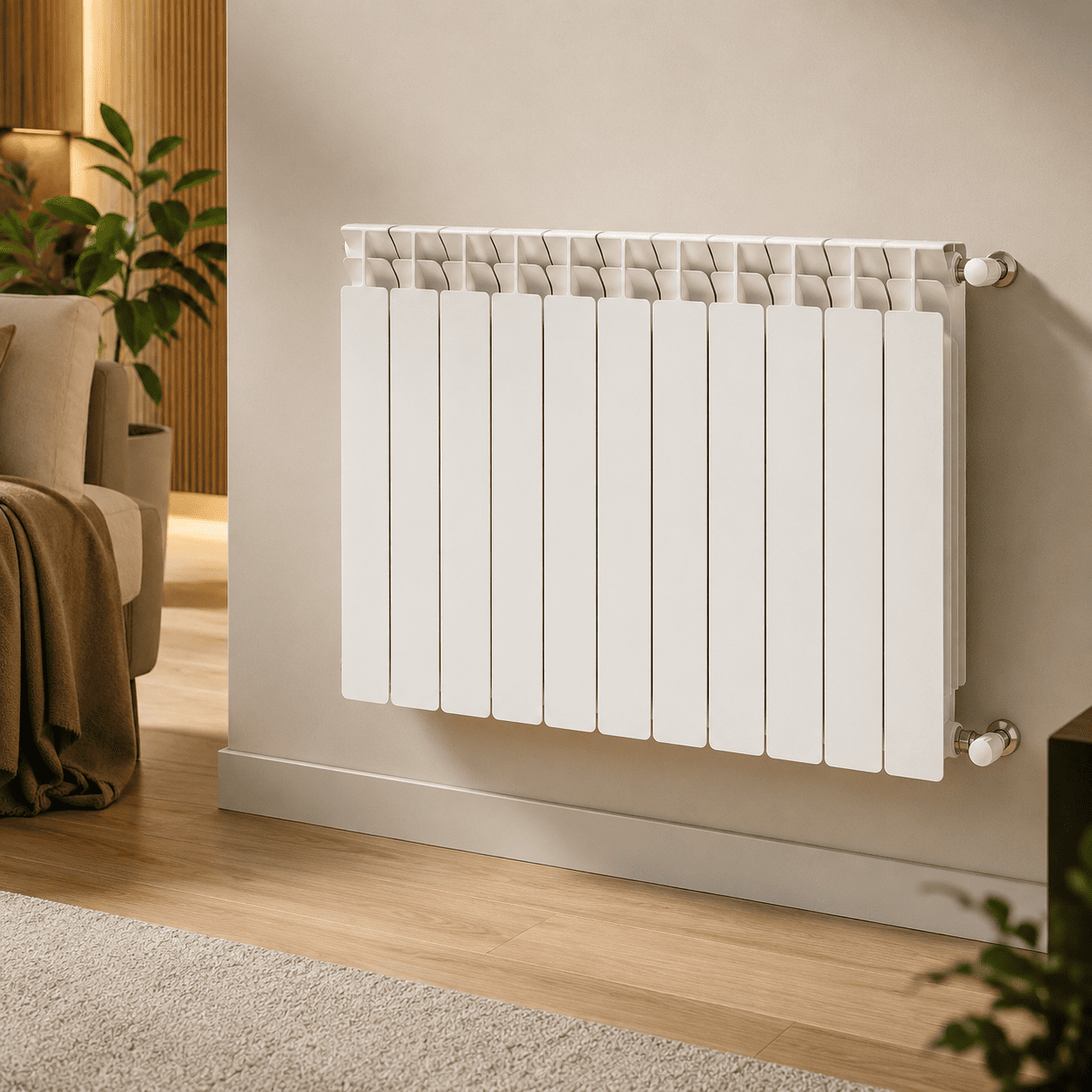
When designing a modern home or upgrading an existing heating network, flexibility is just as important as the actual heat output. Homeowners are increasingly moving away from rigid, one-size-fits-all heating panels in favor of customizable solutions. Sectional radiators have revolutionized the way we think about climate control indoors, offering a level of modularity that traditional units simply cannot match. If you are aiming for a highly efficient and visually pleasing environment, the experts at alzone.az have compiled everything you need to know about these adaptable heating units.
The Power of Modularity in Home Heating
The fundamental architecture of modern Heating systems relies on optimizing the balance between water volume and surface area. Sectional radiators excel in this exact area. Unlike steel panel radiators that come pre-welded in fixed lengths from the factory, a sectional radiator is assembled using individual fins (or sections) joined together by steel nipples and gaskets.
Why does this matter? Imagine you renovate your living room, knock down a wall, and suddenly find that your room is too cold during winter. With a panel unit, you would have to throw the whole radiator away and buy a bigger one. With a sectional radiator, a plumber can simply attach four or five extra sections to your existing unit, increasing its heat output instantly. This modular approach makes the units found in our Sectional radiators category highly economical over the long term. You only buy the exact amount of heating capacity your specific room requires.
Low Water Content for Faster Heat-Up Times
Another significant engineering advantage is their low thermal inertia. Sectional radiators—particularly those cast from aluminum—contain significantly less water inside their internal channels compared to older cast-iron models or heavy steel panels.
Because there is less water to heat up, the boiler (combi) expends less energy and time bringing the radiator up to the desired temperature. As soon as your smart thermostat triggers the heating system, sectional radiators get hot within minutes, providing rapid comfort. Once the heating switches off, they cool down quickly, preventing the room from becoming stuffy and overheated. This precise response time is crucial for minimizing gas consumption and reducing your monthly energy bills.
Frequently Asked Questions (FAQ)
1. How do I know how many sections to buy for my bedroom? The calculation depends on the heat loss of your room. Generally, you need about 100 Watts per square meter. If one section produces 140W, a 15-square-meter room (1500W total requirement) would need approximately 11 sections. 2. Can sectional radiators be painted to match my interior design? Most models come in a standard, highly durable white powder coating that resists yellowing over time. While it is physically possible to repaint them using specialized heat-resistant sprays, we recommend browsing the diverse styles available in our Heating systems catalog to find a factory finish that suits your home perfectly. 3. Are they suitable for high-rise apartment buildings? If you live in a high-rise building with a district heating network, pressure spikes (water hammer) can occur. In this case, we highly recommend bimetallic sectional radiators over pure aluminum ones. Bimetallic models have a strong steel inner core designed to withstand extreme pressures.
Conclusion
Sectional radiators represent the peak of residential heating technology, blending rapid response times, energy efficiency, and unparalleled modularity. Whether you are dealing with a tiny bathroom or a massive open-plan living space, you can tailor these units to fit your precise needs. To explore the best options on the market, visit the alzone.az homepage, browse our comprehensive Heating systems collection, and find the perfect fit in our dedicated Sectional radiators section today.