
Gas vs. Electric Water Heaters: Which is the Best Fit for Your Space?
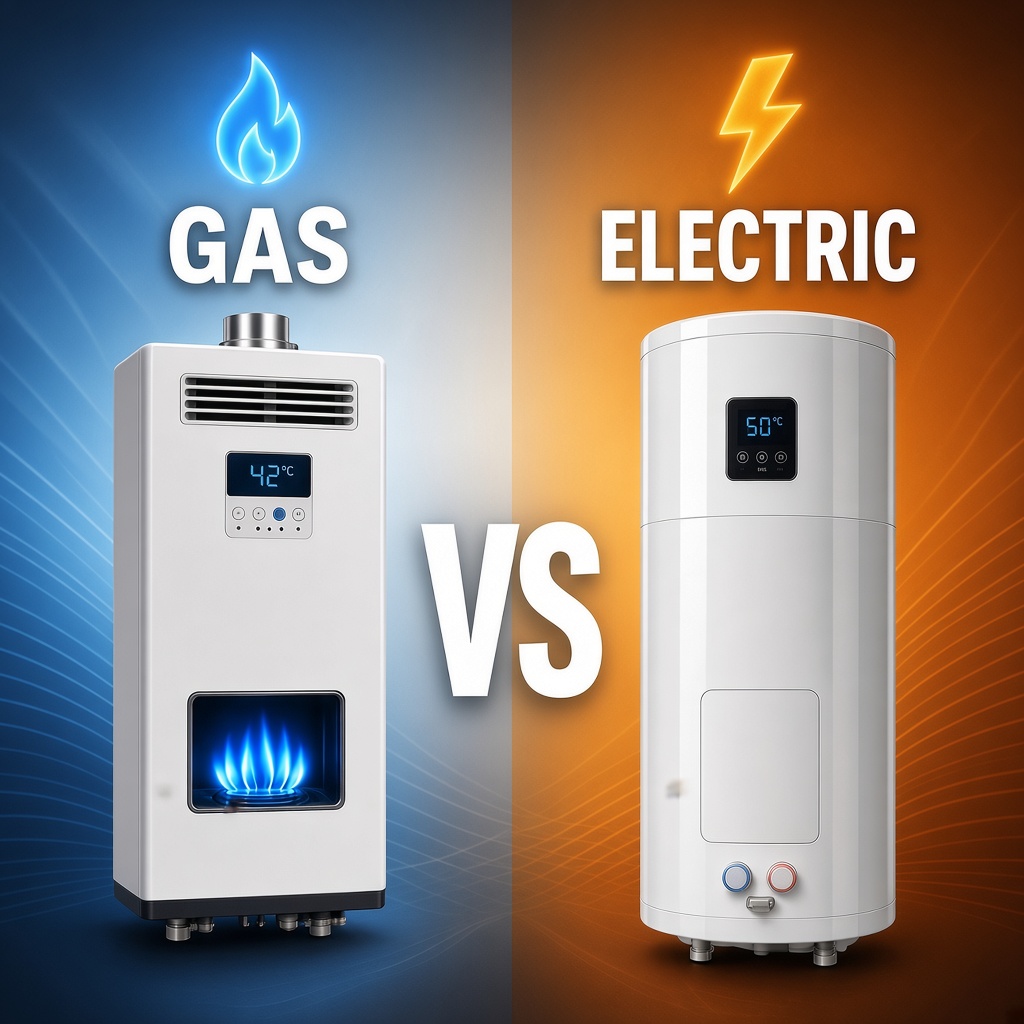
An uninterrupted supply of hot water is an essential part of daily comfort, regardless of the season, but especially during the autumn and winter months. Thanks to modern Heating systems, meeting our hot water needs is both highly safe and incredibly convenient. However, the sheer variety of products often leaves buyers facing a tough choice: Should we buy a gas appliance or an electric one for our home? Both types have their own operating principles, distinct advantages, and certain drawbacks. As the alzone.az platform, we have prepared this comprehensive guide to assist our customers in their decision-making process. Let’s dive into the details of both systems.
Gas Water Heaters: Speed and Continuous Hot Water
Gas water heaters, whether tankless (on-demand) or traditional tank models, use natural gas to heat water. These devices are particularly ideal for large families and spaces with a continuous need for hot water.
-
Advantages: The biggest advantage is immediate heating. In tankless models, the hot water supply never runs out; as long as the tap is open, the device heats the water. Furthermore, since natural gas is generally cheaper than electricity, it creates significant savings on monthly utility bills.
-
Disadvantages: The installation process is quite complex. It strictly requires a gas line and a proper ventilation system (flue). Strict adherence to safety protocols (against carbon monoxide leaks) is mandatory.
-
Ideal choice: If there is a gas line in the premises, no ventilation issues, and high hot water usage, Gas water heaters are the most logical choice.
Electric Water Heaters: High Safety and Easy Installation
Electric water heaters (commonly known as boilers) heat water using an internal heating element (resistor). There are also compact tankless versions of these devices that operate on electricity.
-
Advantages: The main advantage is easy installation; there is no need for flues, exhaust pipes, or complicated gas lines. Connecting to the water line and the electrical grid is sufficient. Risks such as carbon monoxide poisoning are zero, making them highly safe for apartments and enclosed bathrooms.
-
Disadvantages: In tank-style devices, it takes some time for the water to heat up. When the hot water reserve is depleted (for example, after several people shower consecutively), you must wait for it to reheat. Also, electricity consumption costs are generally higher than gas costs.
-
Ideal choice: For buildings without gas lines, small apartments, offices, and families who prioritize safety above all else, Electric water heaters are irreplaceable.
Comparison Table
You can compare the key parameters of both systems in the table below:
| Feature | Gas Water Heaters | Electric Water Heaters |
| Energy Cost (Monthly) | Highly economical (Natural gas is cheap) | Relatively high |
| Installation Process | Complex (Requires flue and gas line) | Very simple (Only electric and water lines) |
| Hot Water Wait Time | Instant hot water (In tankless models) | Requires waiting (In tank models) |
| Safety Risk | Risk of carbon monoxide and gas leaks | Completely safe, no carbon monoxide risk |
| Device Lifespan | 10-15 years (With proper maintenance) | 8-12 years (Depending on water hardness) |
Frequently Asked Questions (FAQ)
1. Will I get hot water during a power outage in a home with a gas heater?
Simple gas column heaters that operate on battery ignition will work during a power cut. However, modern hermetic gas combi boilers and heaters with fans and electronic brains require electricity to function.
2. Which device works better when water pressure is low?
Electric boilers (tanks) are not very sensitive to water pressure because they collect and heat the water. Tankless gas heaters, on the other hand, require a certain minimum water pressure to operate properly.
3. How many hours does it take for an electric water heater to heat the water?
This depends on the volume (liters) of the device and the power of the heating element. For example, a standard 50-80 liter boiler takes about 1.5 to 2.5 hours to fully heat the water.
Conclusion
Choosing the ideal water heater for your home depends on your existing infrastructure, budget, and safety criteria. If you have a gas line and proper ventilation capabilities, you can opt for gas models to save money in the long run. However, if you are looking for ease of installation and 100% safety, electric models are the right choice for you. To purchase the highest quality products in both categories, you can visit our store.
For further questions and orders, contact us:
Whatsapp: +994705014477