
What is Penoplast Insulation (Styrofoam), Where is it Used, and Why is it Important?
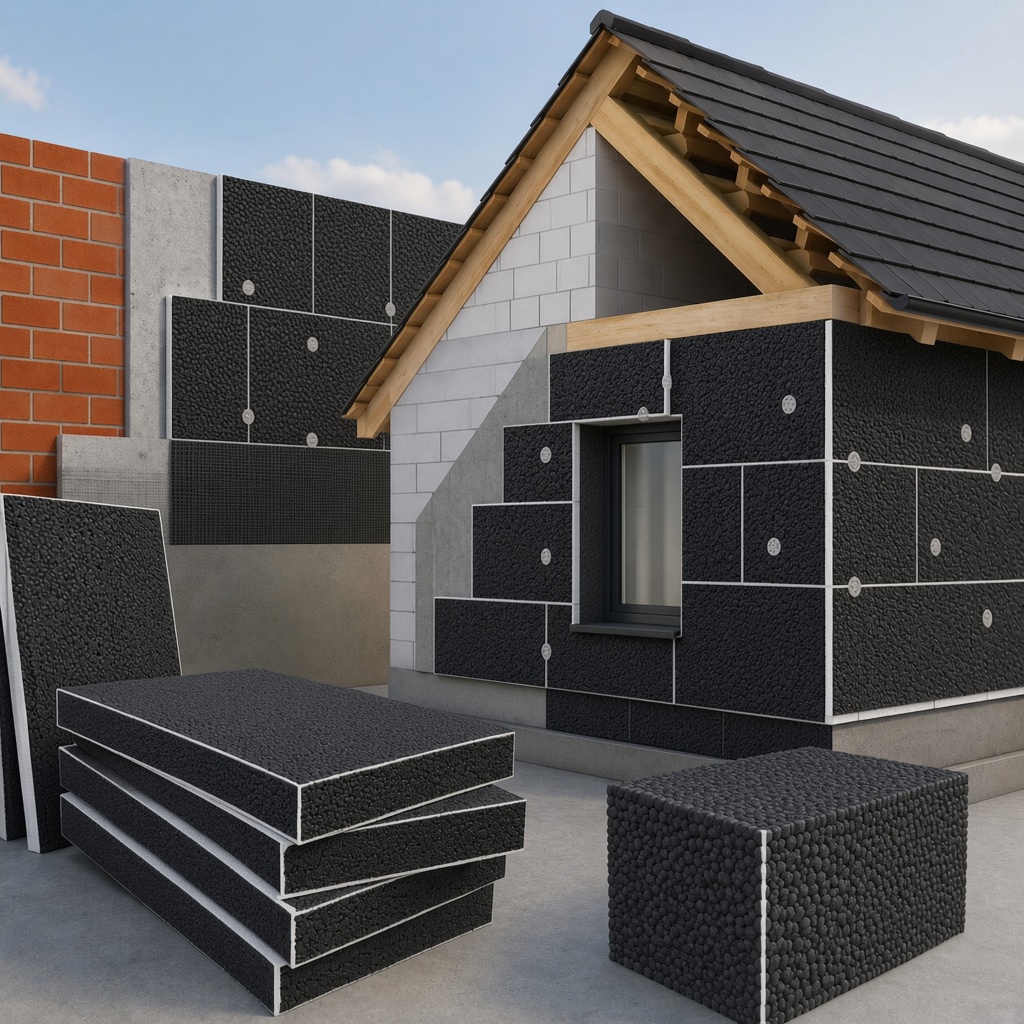
In modern construction and renovation projects, thermal insulation plays a decisive role in saving energy and creating an optimal temperature balance in living and working spaces. One of the most widespread, cost-effective, and highly efficient materials in this field is penoplast insulation or as otherwise known, styrofoam sheets. Made from expanded polystyrene (EPS), this material is foamed using special technology to trap millions of microscopic air cells inside. Since air is one of the best-known natural insulators, it turns penoplast into one of the most perfect means to prevent heat loss.
You can easily get acquainted on our website with high-density Penoplast insulation (styrofoam) products applied to building facades, roofs, underfloor heating systems, and interior walls.
Technical Properties and Main Advantages of Penoplast Insulation
The reason why penoplast holds a leading position in the insulation market lies in its unique physical and mechanical parameters. This material is designed not only to protect against cold weather but also to prevent buildings from overheating during summer months.
-
High Thermal Resistance: Styrofoam boards selected at the correct density minimize thermal conductivity, significantly reducing the load on heating systems in winter and air conditioners in summer.
-
Resistance to Moisture and Water: The closed-cell structure of penoplast prevents water from penetrating inside the material. This property protects structural components of the building from moisture, mold, and fungus formation.
-
Light Weight and Easy Installation: It adds no extra structural load, cuts effortlessly, and fixes to walls with ease. This accelerates installation time and lowers labor costs.
-
Longevity and Form Stability: It does not sag, warp, or rot over time. When properly installed, it retains its insulation properties throughout the operational life of the building.
-
Support for Sound Insulation: Alongside thermal protection, it also dampens the transmission of ambient noise and impact sounds to a certain extent.
Application Areas and Guidelines for Penoplast
Penoplast insulation panels are used diversely across various stages of construction. The primary areas of application include:
-
Facade Insulation (External Wall): Applied to the exterior walls of buildings, forming the core of exterior insulation finishing systems (EIFS). It protects the building from environmental elements.
-
Floor and Underfloor Heating Insulation: Especially in hydronic or electric underfloor heating systems, it prevents heat from escaping downwards to lower floors or the ground, directing warmth straight upwards.
-
Roof and Attic Insulation: As warm air naturally rises, it halts significant heat loss escaping through the roof immediately.
-
Partition Walls and Foundations: Applied to create thermal and acoustic separation between spaces and to insulate foundation walls against groundwater.
Key Brands and Quality Selection
When choosing insulation material, parameters such as density (kg/m³), fire resistance class, and compliance with industry standards are vital indicators. Our website features products from leading manufacturers known for quality and durability.
To select high-standard styrofoam panels suited to your requirements, you can browse through catalogs of Format, international quality-assured Knauf, locally and internationally trusted Çetin, and budget-friendly effective solutions offered by Angard.
Frequently Asked Questions (FAQ)
1. What does the density of penoplast insulation (styrofoam) indicate and how should it be chosen? Density indicates the weight of the material per 1 cubic meter. Higher-density penoplast boards are more durable, resistant to mechanical stress, and particularly suited for underfloor and exterior facade insulation.
2. Does penoplast lose its properties or degrade over time? No, when protected from direct ultraviolet (UV) solar rays and covered with plaster or cladding, penoplast does not rot, break down, or lose its core insulating capabilities for decades.
3. Is penoplast insulation fire safe? Styrofoam produced according to modern building standards contains special flame-retardant additives. Consequently, it does not ignite spontaneously, self-extinguishes, and falls under B1/E fire classification without spreading flames.
4. Is it necessary to install penoplast in an underfloor heating system? Yes, it is essential. If penoplast insulation is not placed under the heating pipes, a large portion of the generated heat will bleed into the structural slab below, drastically increasing energy consumption.
Conclusion
Penoplast insulation (styrofoam) is the most economical and effective material for securing energy efficiency in both residential homes and commercial developments. Insulation executed with the correct thickness and density fully pays for itself through reduced utility bills in a short time. You can easily purchase authentic brand penoplast insulation products from Alzone.az to ensure lasting comfort in your premises.