
Penoplast Insulation
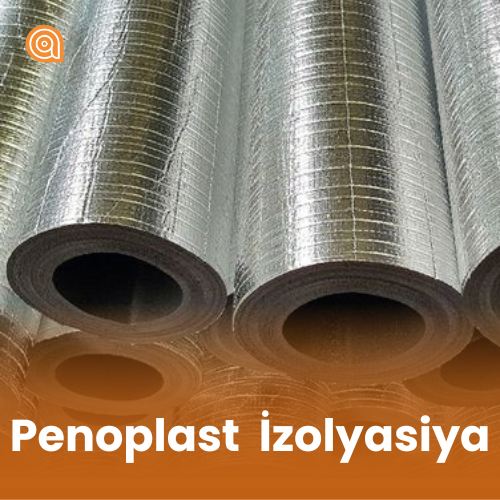
What is foam insulation?
Penoplast insulation is the use of penoplast (polystyrene foam), a light and strong material, for thermal insulation. This material is obtained by expanding and gluing together polystyrene granules using special methods. Penoplast insulation is widely used to minimize heat loss and increase energy efficiency of buildings. Due to the low thermal conductivity of penoplast, it is also effective in sound insulation.
Advantages of foam insulation
The advantages of foam insulation are as follows:
- Lightness: Penoplast is a very light material, so it is easy to apply and transport.
- Good thermal insulation: Due to the low thermal conductivity of foam plastic, it minimizes heat losses and helps to save energy.
- Resistance to moisture: Penoplast does not absorb water and moisture, so it does not lose its insulating function even in humid conditions.
- Sound insulation: Penoplast also reduces sound transmission and can be used for sound insulation purposes.
- Economical and affordable: It is a cheaper and more accessible solution than other insulation materials.
- Durability and longevity: Penoplast maintains its shape and function for a long time, does not rot and is resistant to wear.
- Easy installation: The foam is easy to cut, shape and install, and can be easily applied to various surfaces.
- Resistance to chemical effects: Penoplast has high resistance to various chemicals.
Thanks to these advantages, foam insulation is widely used both in the construction sector and in individual projects.
Areas of Application of Penoplast
Penoplast has a wide range of applications and is used in various sectors. The main areas of application are:
1.Construction sector:
Wall insulation: Penoplast is used for thermal insulation of external and internal walls of buildings.
Floor Insulation: Applied to provide heat and sound insulation under floors.
Ceiling insulation: Widely used in ceiling insulation to minimize heat transfer.
Roof insulation: Styrofoam is also used for thermal insulation under the roof.
2.Refrigeration and freezing equipment:
Penoplast is used in thermal insulation of refrigerators, freezers and other cold storage equipment. This helps to maintain a constant temperature inside.
3.Industrial packaging:
Baby equipment: Styrofoam is used as packaging material to protect fragile and sensitive items.
Electronics and Home Appliances: Electronics, home appliances and other fragile items are packed with Styrofoam to protect them from shocks during shipping and storage.
4.Insulation in boats and ships:
Because penoplast is light and waterproof, it is used in heat and sound insulation of water vehicles (boats, ships, etc.).
5.Sound insulation:
Foam plastic is used in music studios, concert halls and other objects that require sound insulation.
6.Furniture industry:
It is used to lighten furniture and fill their internal structures.
7.Decorative elements:
Because foam plastic is a light and easy-to-form material, it is used for various decorative purposes, including models and art work.
The fact that foam plastic is light, durable and insulating makes it a very functional material and is widely used in various fields.
Water resistance of penoplast
The water resistance of Styrofoam is one of its advantages, which makes it an ideal material in many areas of application. Penoplast has a high resistance to water, and there are several reasons for this:
- Water absorption: Styrofoam is a material that absorbs little water. This is due to the fact that the structure of the air cells in it does not allow water to enter. As a result, the water absorption rate of foam plastic is very low.
- Water resistance: Penoplast does not lose its physical and chemical properties when in contact with water. This makes it suitable for use in relevant environments, for example where there is a lot of water (railway, waterway construction).
- Protection against moisture: Penoplast maintains its shape and insulating ability in humid conditions. This provides thermal insulation in buildings and other structures and minimizes the problem of condensation.
- Various areas of application: due to its resistance to water, foam plastic is widely used in the insulation of water vehicles (boats, ships, etc.), as well as in the roof insulation of dry buildings.
- Light and comfortable: The lightness of foam plastic increases its resistance to water, because the effect of water is stronger among heavy materials.
As a result, foam plastic's water resistance makes it a widely used material in various construction and industrial fields. These properties make it a perfect choice for thermal insulation, sound insulation and protection purposes.
Installation of penoplast
Installation of penoplast is an important process for proper application and maximum insulation effect. Below are the main steps for installing penoplast:
- Preparation
Site Inspection: The site to be installed must be clean and dry. Any traces of dust, dirt, or oil must be removed.
Dimensioning: Styrofoam should be dimensioned correctly so that it can be cut into the correct size pieces during cutting.
2. Cutting
Penoplast material must be cut according to the desired dimensions. A knife or special cutting tools can be used for this.
Obtaining correct and straight cuts during cutting increases insulation effectiveness.
3. Installation
Placement: The cut pieces of penoplast should be placed in the corresponding area (wall, floor, ceiling). Make sure that the pieces are in close contact with each other.
Gluing: Special glues should be used for the installation of penoplast. The adhesive should be applied to the back of the foam or to the surface it is in contact with.
4. Coating of joints
In order to minimize the gaps between the pieces of penoplast, it is necessary to cover them with glue or special insulating tapes. This helps reduce heat loss.
5. Confirmation
After installation, check that the foam is properly positioned and that there are no gaps. If necessary, you can fix it with additional glue or tapes.
6. Top cover
Additional insulation materials (for example, plasterboard, floor tiles) should be installed on top of the foam. This ensures the protection of foam plastic and gives an aesthetic appearance.
7. Final works
After the installation is completed, all cracks, voids or adhesive residues must be removed.
Correct installation of penoplast helps to achieve the maximum of its insulating properties and increases energy efficiency. The installation process requires attention and precision, so it is recommended to get help from experienced professionals.
Frequently asked questions about Penoplast Insulation
What is foam plastic?
- Penoplast is a material filled with air cells, light and with high thermal insulation capacity. It is used for thermal and sound insulation in a wide range of applications, especially in the construction sector.
What are the advantages of penoplast?
- High thermal insulation: Helps to save energy.
- Lightness: Easy to transport and install.
- Water resistance: Resists moisture and water.
- Long life: Durable and wear resistant.
- Sound insulation: Has the ability to reduce sound.
Where is penoplast used?
- Penoplast is used for the construction sector (wall, floor, ceiling, roof insulation), refrigeration and freezing equipment, industrial packaging, insulation of water vehicles, sound insulation, furniture production and decorative elements.
How to install penoplast?
- The installation of foam plastic is carried out by preparing the area, taking measurements, cutting, gluing and applying a top coat. Proper installation increases insulation efficiency.
What tools are needed to install penoplast?
- For the installation of foam plastic, you need tools such as a knife, glue, measuring tools and insulating tapes.
How to protect foam plastic?
- Penoplast must be covered with top coverings (plasterboard, floor tiles), which protect it from external influences.
What is the price of penoplast?
- The price of penoplast varies according to its quality, brand, thickness and local market. It is recommended that you contact your local dealer for more information.
Does penoplast have an environmental impact?
- Some environmental impacts may occur during the production of Styrofoam, but modern manufacturing processes are being improved to minimize these impacts. Some types of foam plastic are made from more environmentally friendly materials.
How long is the life of foam?
- When properly installed and maintained, foam plastic retains its insulating properties for many years. Generally, a lifespan of 25-50 years is expected.