
What is a Panel Radiator? Key Factors to Consider When Choosing Home Radiators
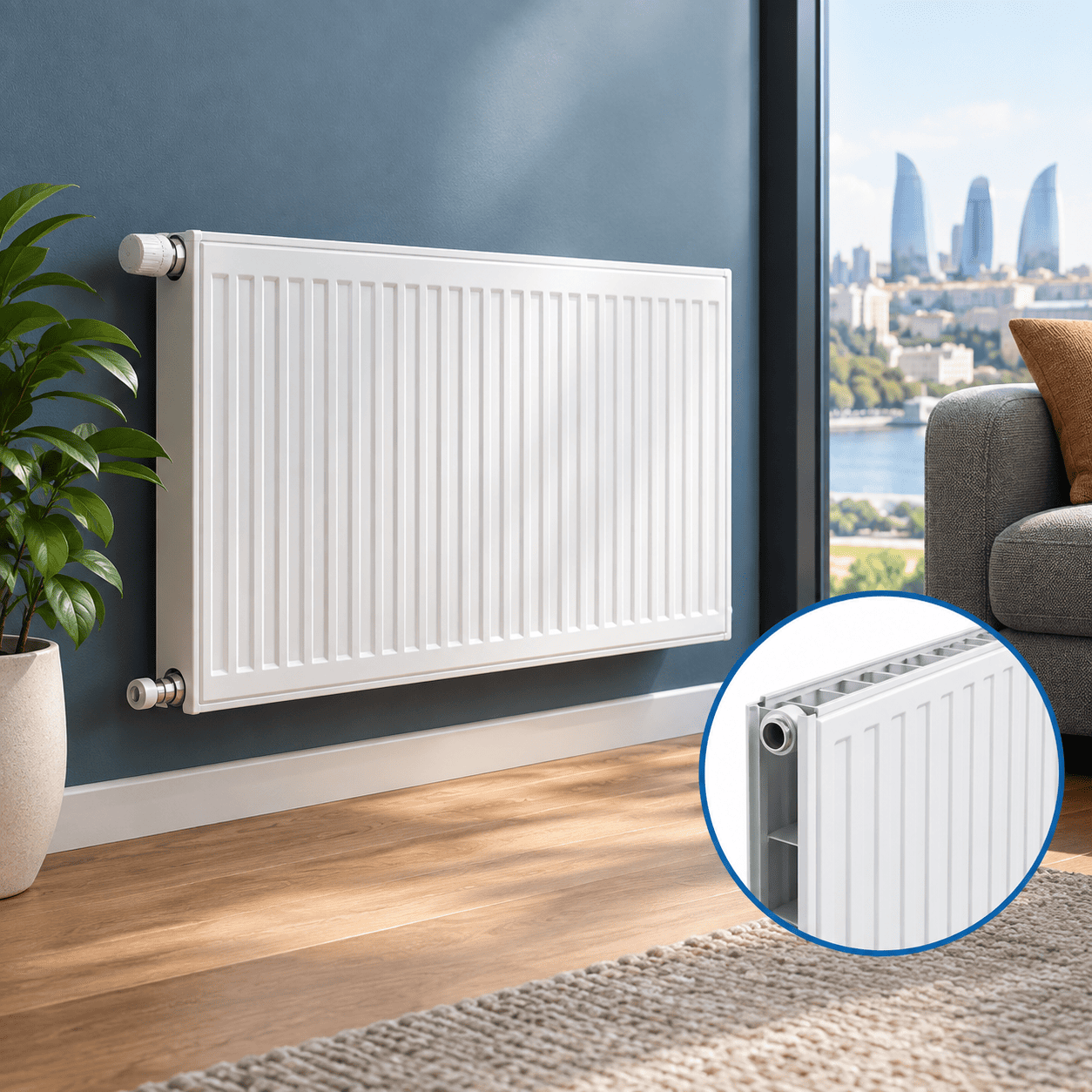
As the winter season approaches and temperatures drop rapidly across the region, homeowners begin searching for reliable, efficient heating systems to maintain an optimal indoor climate. Among the vast array of climate control solutions available for residential homes, villas, and commercial spaces, steel panel radiators remain the undisputed industry favorite due to their exceptional thermal efficiency, sleek modern aesthetics, and rapid heat distribution capabilities. But what exactly is a panel radiator, how does its internal thermodynamics function, and what critical factors should you evaluate before purchasing units for your property? Through this comprehensive buying guide provided by alzone.az, we will explore technical specifications, sizing calculations, and the distinct advantages of market-leading brands such as ultraherm and demir dokum.
What is a Panel Radiator and How Does It Work?
A panel radiator is a modern heating device fabricated from high-grade cold-rolled steel using advanced stamping presses. It consists of internal water channels through which heated fluid circulates, coupled with corrugated convection fins welded to the rear panels to boost thermal output. Unlike outdated cast-iron radiators that are bulky and slow to react, modern steel panel units boast slim profiles, clean geometric lines, and superior thermal conductivity.
When hot water pumped from your boiler enters the internal waterways, the steel faceplate rapidly increases in temperature, radiating direct thermal energy into the room. Simultaneously, the corrugated convection fins create a natural chimney effect, pulling cool floor-level air upward, warming it rapidly, and circulating it throughout the space. This dual-action mechanism—combining direct radiant warmth with active convective air currents—ensures that every corner of the room warms up evenly and quickly. When designing comprehensive heating systems, specifying high-density steel panels effectively eliminates cold spots and drastically reduces standby energy loss.
Key Factors to Consider When Choosing Home Radiators
Selecting the correct radiator for your living space requires more than just matching interior paint colors or choosing the lowest price tag. To guarantee decades of trouble-free operation and optimal thermal comfort, evaluate the following engineering criteria:
-
Room Dimensions and Thermal Output Sizing: The physical size and wattage of the radiator must match the volume and insulation quality of the room. As a general industry standard, standard residential spaces require roughly 100 Watts of thermal output per square meter. For instance, a spacious 20 m² living room requires a panel radiator with a combined output of approximately 2000 Watts. Undersized units will run constantly without achieving comfort, while oversized units waste fuel.
-
Panel Configuration (Type Selection): Manufacturers produce various depths, most notably Type 11 (single panel, single convection fin), Type 22 (double panel, double convection fin), and Type 33 (triple panel, triple convection fin). Type 22 represents the optimal sweet spot for residential applications, offering massive thermal output while maintaining a compact profile that fits neatly beneath standard window sills.
-
Steel Thickness and Operating Pressure: Your chosen radiator must safely withstand the maximum working pressure of your plumbing network. High-rise buildings connected to district heating networks experience severe pressure spikes; therefore, utilizing heavy-duty, thick-gauge steel panels manufactured by ultraherm or demir dokum is essential for absolute structural safety.
-
Corrosion Resistance and Surface Finishing: Premium radiators undergo multi-stage chemical pretreatment, including iron phosphate coating followed by electrostatic epoxy-polyester powder painting. This creates a durable seal that prevents rust formation, even in humid environments like kitchens or bathrooms.
Comparing Market Leaders: ultraherm and demir dokum
The long-term reliability of your home climate infrastructure depends entirely on the manufacturing pedigree of the hardware installed in your rooms. alzone.az exclusively curates proven manufacturers with spotless engineering records. ultraherm utilizes cutting-edge automated production lines to deliver high-pressure steel panels equipped with superior anti-oxidation coatings, ensuring pristine white finishes that never yellow or chip over time.
Concurrently, demir dokum represents decades of trusted European craftsmanship, featuring precision-engineered waterways designed to optimize fluid dynamics and reduce pump resistance. Whether you choose the rugged durability of ultraherm or the refined thermal efficiency of demir dokum, integrating these world-class components into your property's heating systems guarantees uncompromised winter warmth and absolute peace of mind.
Frequently Asked Questions (FAQ)
1. How do I calculate the exact radiator wattage needed for my bedroom? Standard calculations require 100 Watts per square meter for rooms with average ceiling heights (2.7 meters) and standard double-glazed windows. If your room features expansive floor-to-ceiling glass or lacks exterior wall insulation, add a 15-20% safety margin. Ensuring your heating systems are correctly matched prevents overworking your boiler.
2. Are ultraherm and demir dokum radiators suitable for high-rise apartment buildings? Yes, absolutely. Both brands utilize thick-gauge steel plates engineered to withstand high burst pressures, making them fully compatible with high-pressure multi-story residential towers and district heating risers.
3. What preventative maintenance keeps demir dokum panels operating efficiently? To preserve peak thermal conductivity, bleed trapped air from the radiators annually using a standard radiator key, and keep the interior convection fins clear of dust accumulation by using a long-reach duster. Additionally, incorporating system inhibitors protects demir dokum waterways from internal scaling.
Conclusion
Investing in high-caliber heating hardware is the foundational step toward securing complete domestic comfort, lower utility bills, and long-term property value. Selecting substandard equipment leads to premature leaks, cold rooms, and expensive emergency repairs. By outfitting your home with elite panel radiators from ultraherm and demir dokum, you establish highly resilient heating systems built to endure decades of heavy winter usage. Explore the comprehensive catalog of certified heating hardware available at alzone.az today to select the exact dimensions tailored to your architectural blueprints.