
What to Consider When Choosing an Air Conditioner?
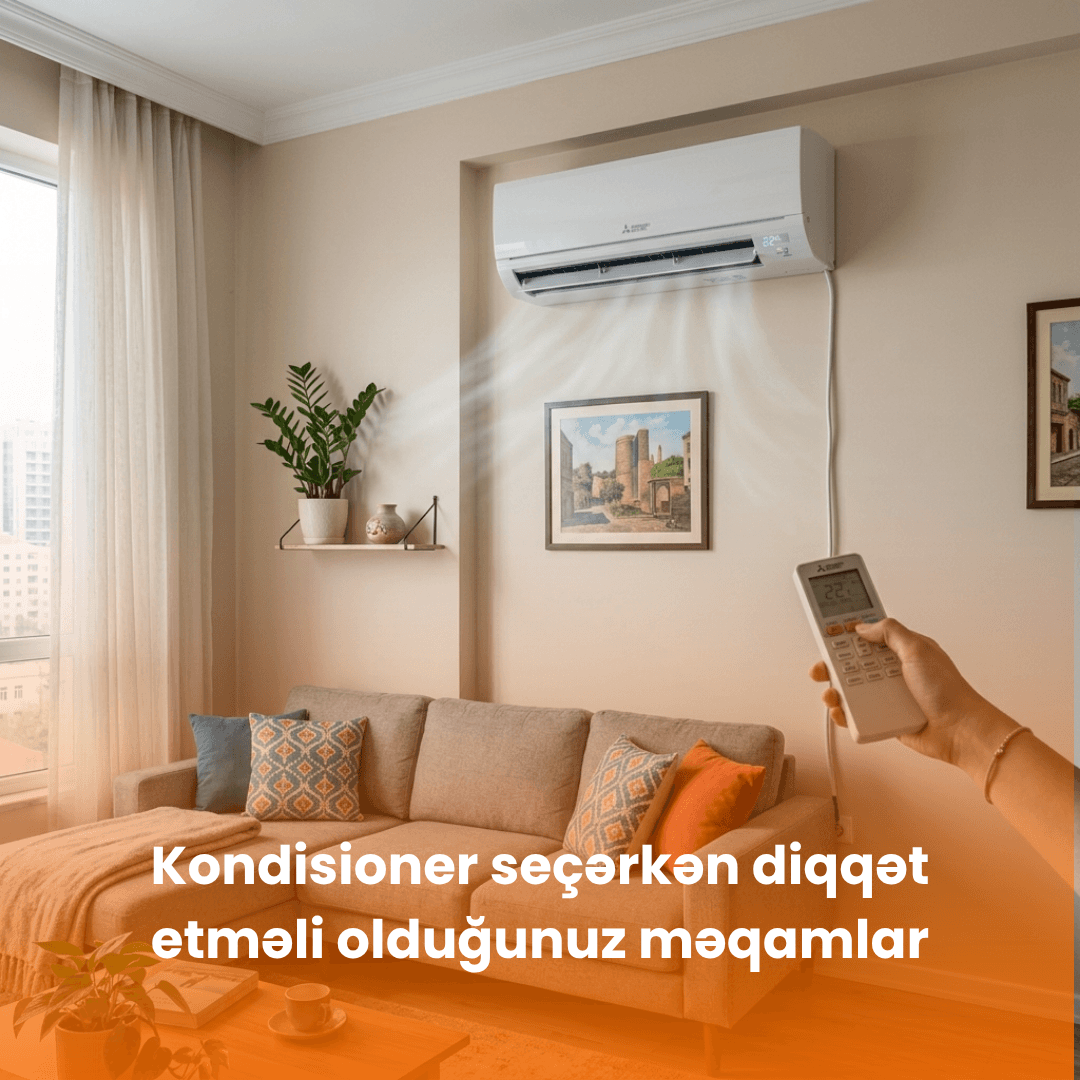
The Importance of Choosing the Right Air Conditioner
Choosing an air conditioner is not just about buying a device — it’s about defining your comfort level at home or in the office. Many people focus only on price, but that often leads to long-term problems. Imagine buying a unit that cannot properly cool your room or makes constant noise — frustrating, right?
A wrong choice can result in poor performance, higher electricity bills, and frequent breakdowns. For instance, if the unit’s capacity doesn’t match your room size, it may either overwork or fail to cool efficiently. A properly chosen air conditioner, on the other hand, saves energy, lasts longer, and ensures consistent comfort.
Room Size and BTU Capacity
What is BTU and Why Does It Matter?
BTU (British Thermal Unit) measures how much cooling power an air conditioner has. The higher the BTU, the more powerful the unit.
Choosing the wrong BTU leads to inefficiency:
- Too low → insufficient cooling
- Too high → wasted energy and frequent cycling
Recommended BTU by Room Size
| Room Size | BTU |
|---|---|
| 15–20 m² | 9000 |
| 20–30 m² | 12000 |
| 30–40 m² | 18000 |
| 40+ m² | 24000+ |
Inverter vs Non-Inverter
How Inverter Technology Works
Unlike traditional units, inverter air conditioners adjust their power instead of turning on and off repeatedly. This ensures stable temperature and better efficiency.
Which One is Better?
Inverter models consume 30–50% less electricity. Although they cost more upfront, they save money in the long run.
Energy Efficiency
Energy classes range from A+++ (most efficient) to lower grades. A higher rating means lower electricity bills. Think of it like a fuel-efficient car — more expensive initially but cheaper over time.
Noise Level
Noise is a key comfort factor, especially for bedrooms. Units with 20–30 dB are considered very quiet. A noisy air conditioner can disturb sleep and reduce comfort.
Air Filters and Health
Modern air conditioners improve air quality using advanced filters:
- Remove dust
- Reduce allergens
- Filter bacteria
This is especially important for people with allergies or respiratory issues.
Installation and Maintenance
Even the best air conditioner won’t perform well if installed incorrectly. Poor installation can lead to:
- Higher energy use
- Reduced cooling
- Shorter lifespan
Always choose professional installation.
Brand and Warranty
Reliable brands usually offer better durability and performance. Always check for at least a 2–3 year warranty to ensure safety and long-term use.
Additional Features
Modern AC units come with:
- Wi-Fi control
- Smart temperature adjustment
- Energy-saving modes
These features enhance comfort and convenience.
Price vs Value
The cheapest option is not always the best. Likewise, the most expensive one may include unnecessary features. The key is to find the right balance between price and performance.
Conclusion
Choosing the right air conditioner requires attention to detail. By considering room size, BTU, energy efficiency, noise level, and features, you can ensure maximum comfort and long-term savings.
FAQ
1. What BTU do I need?
Depends on room size (e.g., 20–30 m² → 12000 BTU).
2. Are inverter ACs worth it?
Yes, they save energy and offer better performance.
3. Do ACs consume a lot of electricity?
Depends on energy class — A+++ models are efficient.
4. Are quiet ACs available?
Yes, 20–30 dB models are nearly silent.
5. Are filters important?
Yes, they improve air quality and health.