
10 Interesting Facts About Air Conditioners
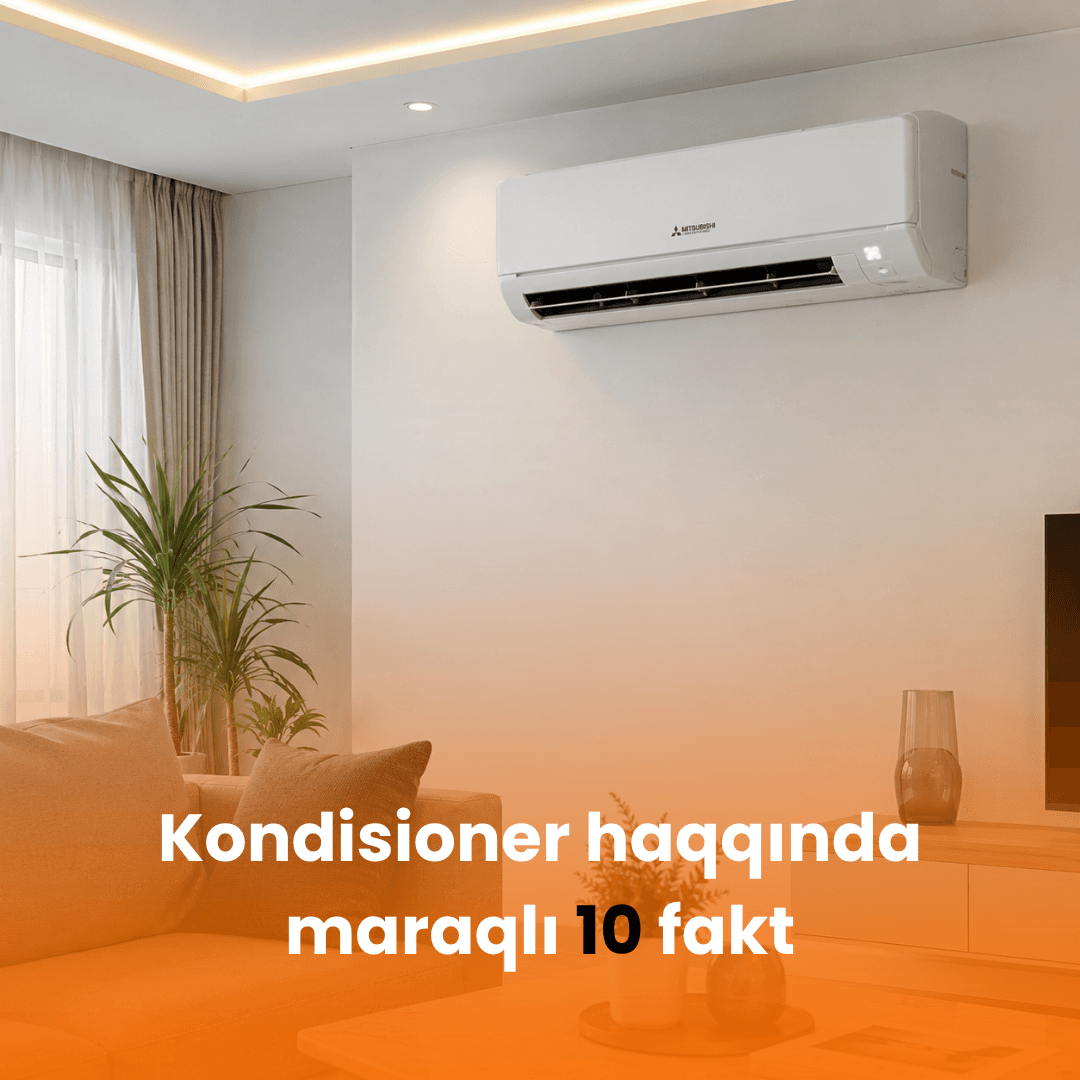
Air conditioners have become an essential part of modern life, providing comfort during hot summers and warmth during colder seasons. While most people use an air conditioner daily, many are unaware of the fascinating history and technology behind these devices. In this article, we explore 10 interesting facts about air conditioners that may surprise you.
Air Conditioners Were Invented to Control Humidity, Not Temperature
Many people assume that air conditioners were created to cool homes and offices. In reality, the first modern air conditioning system was developed in 1902 to control humidity in a printing facility. Excess moisture was causing paper to warp, affecting print quality.
Willis Carrier Is Known as the Father of Air Conditioning
The modern air conditioner was invented by Willis Carrier, an American engineer. His innovative system could regulate both temperature and humidity, laying the foundation for today's air conditioning technology.
Air Conditioners Do More Than Cool the Air
Modern air conditioners are multifunctional devices. In addition to cooling, many units can heat, ventilate, dehumidify, and improve indoor air quality.
Air Conditioners Can Help Clean the Air
Many modern air conditioners are equipped with advanced filtration systems that capture dust, allergens, bacteria, and other airborne particles. This feature is especially beneficial for people with allergies.
The Largest Air Conditioning Systems Are Found in Skyscrapers
Massive commercial buildings, shopping centers, airports, and skyscrapers rely on central air conditioning systems capable of cooling thousands of square meters simultaneously.
Air Conditioners Are Among the Biggest Energy Consumers in Homes
During summer months, air conditioners can account for a significant portion of household electricity consumption. Choosing an energy-efficient model can lead to substantial savings over time.
Inverter Air Conditioners Save More Energy
Unlike traditional units that constantly switch on and off, inverter air conditioners adjust compressor speed according to cooling demand. This results in lower energy consumption and more stable indoor temperatures.
Air Conditioning Technology Is Essential in Healthcare
Hospitals, laboratories, and operating rooms require specialized air conditioning systems to maintain precise temperature, humidity, and air quality standards.
Data Centers Could Not Operate Without Air Conditioning
Servers generate enormous amounts of heat. Advanced cooling systems are essential for preventing overheating and ensuring the continuous operation of data centers worldwide.
The Future of Air Conditioners Includes Artificial Intelligence
Smart air conditioners can already learn user preferences and automatically adjust settings. Future models are expected to use artificial intelligence to maximize comfort and energy efficiency.
What Should You Consider When Choosing an Air Conditioner?
Before purchasing an air conditioner, consider the following factors:
- Room size and cooling capacity
- Energy efficiency rating
- Inverter technology
- Air filtration system
- Noise level
- Warranty and after-sales service
Conclusion
An air conditioner is much more than a device that cools a room. It plays a vital role in improving comfort, maintaining air quality, and supporting critical industries such as healthcare and information technology. Understanding these interesting facts can help consumers make better decisions when selecting and using air conditioning systems.