
How to Make Your Radiators Work More Efficiently? 7 Essential Tips | 2025
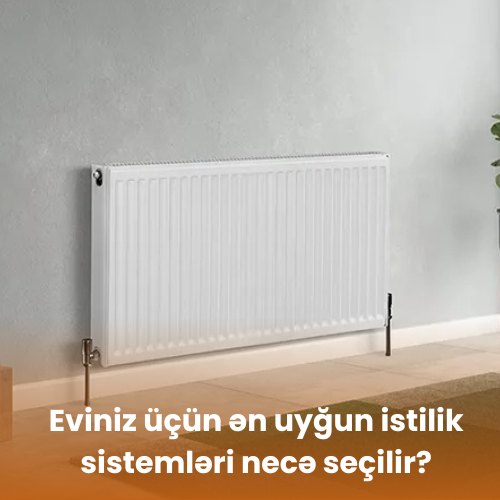
Introduction: Why radiator efficiency matters
An efficient heating system means comfort and energy savings. When radiators work properly, your space heats up faster, energy bills go down, and the temperature stays stable. If you want to make sure your radiators work at their best, I’ll walk you through 7 essential tips — step by step. Ready? Let’s dive in!
Understanding the Basics: Heat Balance and System Function
Radiators may seem simple, but there’s a lot going on inside. Here’s a quick overview:
Radiator and boiler connection
The boiler heats water and sends it through pipes to the radiators, which then transfer the heat to the air. If there’s a problem with the boiler or pipes, radiators can’t perform well.
Circulation and heat distribution
Efficiency depends on how well water flows through the radiators and how evenly heat is distributed. Air pockets, sludge, poor balancing, or a weak pump can all reduce performance.
7 Essential Tips
1. Bleed Your Radiators Regularly
When air gets trapped inside, the top of the radiator stays cold while the bottom gets hot — a clear sign it needs bleeding.
How to check and when to do it
-
If the top is cold and the bottom is warm, there’s trapped air.
-
Turn off the system, let it cool, then use a radiator key to open the bleed valve carefully. A small hiss means air is escaping; when water starts coming out, close it.
-
If you have to bleed frequently, it may indicate a bigger system issue — call a professional.
Tip: Don’t bleed a radiator while the system is hot or under high pressure.
2. Install and Adjust Thermostatic Radiator Valves (TRVs)
TRVs allow you to set individual temperatures for each room. They help reduce energy use by controlling water flow automatically.
Benefits and how to use TRVs
-
Set different temperatures for different rooms (e.g., cooler in the hallway, warmer in the living room).
-
When the room reaches the set temperature, the TRV reduces water flow.
-
Especially useful in winter to avoid overheating less-used rooms.
3. Balance Your Heating System
Without proper balancing, some radiators get too hot while others stay cold.
How to optimize water flow
-
Use lockshield valves to adjust water flow for each radiator.
-
In larger systems, balancing may require professional tools to measure flow rates.
-
A well-balanced system helps the pump work more efficiently and lowers energy use.
4. Add Reflector Panels Behind Radiators
A lot of heat is lost through the wall behind the radiator. Installing reflective insulation panels can bounce the heat back into the room.
Effective materials
-
Metalized reflector panels are the best option.
-
You can also use thick insulation boards or even temporary DIY solutions, but professional panels give the best results.
5. Check Pipe Diameter and Pump Settings
Pump speed and pipe diameter affect circulation and efficiency.
Pump speed and energy savings
-
Old fixed-speed pumps waste energy. Modern modulating pumps adjust automatically and use less power.
-
Incorrect pipe sizing can cause slow or excessive water flow — both are inefficient.
-
Have a professional assess the system if needed.
6. Keep the System Clean: Flushing and Corrosion Control
Over time, sludge and corrosion build up inside radiators, reducing heat transfer.
DIY maintenance vs. professional flushing
-
Check the color of the system water; if it’s dark, it’s a sign of sludge.
-
You can clean external surfaces yourself, but internal cleaning (power flushing) should be done by a professional.
-
Adding inhibitors after cleaning helps prevent future corrosion.
7. Use Smart Thermostats and Zoning
Smart controls are a game changer for both comfort and savings.
Programming and real-life tips
-
Program heating schedules to reduce temperature when you’re not home.
-
Zoning allows you to heat only the rooms you use.
-
Control everything remotely from your phone — convenient and cost-effective.
Extra Tips and Common Mistakes
Don’t cover radiators
Many people block radiators with furniture, curtains, or covers. This drastically reduces heat output and makes the system work harder.
Practical energy-saving habits
-
Lowering the room temperature by just 1–2°C can significantly cut costs.
-
Seal drafts around doors and windows to keep heat in.
-
Use night-time or eco settings when you’re asleep or away.
When to Call a Professional
-
Continuous leaking from radiators.
-
Air keeps building up even after bleeding.
-
Issues with boiler pressure or unusual noises.
-
Heavy corrosion or sludge in the system.
-
Pump or pipe sizing problems.
For safety and efficiency, don’t attempt major repairs yourself.
Conclusion
Improving radiator efficiency isn’t complicated. By bleeding the system, installing TRVs, balancing properly, insulating behind radiators, optimizing pump settings, cleaning the system, and using smart controls, you can make your home warmer and more efficient while cutting heating costs. For major changes, always consult a qualified heating engineer.
FAQ — Frequently Asked Questions
1. Is bleeding a radiator dangerous?
No, if done correctly and with the system turned off. Always let it cool before starting.
2. Can anyone install TRVs?
Basic TRVs can be installed by homeowners, but some may require plumbing work — check the manual or hire a professional.
3. What’s the best material for behind radiators?
Reflective insulation panels are best. Thick insulation boards can work temporarily.
4. When is a power flush needed?
If your radiators are heating unevenly, making noises, or the water is dirty — it’s time for a flush.
5. Do smart thermostats really save money?
Yes — through scheduling, zoning, and remote control, they help reduce unnecessary heating.